
Is It Worth Fixing a Car With 150,000 Miles?
Share this article
Discover if it's worth repairing a car with 150,000 miles. Learn about costs, common issues, and when to consider replacing your vehicle.
Deciding whether to fix a car with 150,000 miles can be challenging. On one hand, your car might still be running smoothly, but on the other, the looming possibility of a significant repair cost can be daunting. This article will guide you through the considerations to determine if fixing your high-mileage car is worth it.
Need the Correct Replacement Part?
Partix helps drivers find OEM, aftermarket, and recycled parts using VIN-based fitment verification. Search by VIN, compare pricing, and find the right part before you buy.
Search Parts on Partix.co →Overview
Cars with over 150,000 miles are not uncommon today, thanks to advanced automotive engineering and better maintenance practices. However, the decision to continue investing in such a vehicle depends on several factors, including the vehicle's current condition, repair history, and potential repair costs.
Cost Considerations
When contemplating whether to repair a high-mileage vehicle, comparing repair costs to the car's market value is essential. Here's a quick cost overview:
| Repair | Estimated Cost |
|---|---|
| Engine Repair | $1,000 - $5,000 |
| Transmission Replacement | $1,800 - $3,400 |
| Suspension Overhaul | $500 - $1,200 |
| Brake System Replacement | $300 - $800 |
For a comprehensive breakdown of repair costs, visit our Repair Costs hub.
Common Issues for Cars with 150,000 Miles
High mileage vehicles often face common issues such as engine wear, transmission problems, and electrical system failures. Regular maintenance and inspections can help identify and mitigate these problems early.
Causes of Wear and Tear
As cars age, components naturally wear down. Factors contributing to accelerated wear include driving habits, environmental conditions, and maintenance history. Understanding these can help you make informed decisions about repairs.
Repair Options
When it comes to repairing a high-mileage car, you have several options:
- DIY Repairs: Suitable for minor fixes if you have the skills and tools.
- Professional Repairs: Essential for complex issues that require specialized knowledge.
- Aftermarket Parts: Often more affordable than OEM parts, but quality can vary.
- Recycled Parts: Eco-friendly and cost-effective, especially for older vehicles.
DIY vs Professional Repairs
Deciding between DIY and professional repairs depends on the complexity of the issue and your mechanical expertise. DIY can save money but may void warranties. Professional repairs ensure quality but come at a higher cost. For assistance in choosing the right parts, visit our OEM vs Aftermarket guide.
Parts Pricing
Part prices can vary significantly based on the type and condition. Here's a comparison:
| Part Type | Price Range |
|---|---|
| OEM Parts | $200 - $1,500 |
| Aftermarket Parts | $100 - $1,000 |
| Recycled Parts | $50 - $500 |
For more information on parts, check our Auto Parts hub.
Expert Recommendations
Experts suggest evaluating the car's condition, repair history, and potential future repairs. If repair costs exceed the vehicle's current value, consider replacement options, possibly exploring our guide on Best Used Luxury Cars under $15,000.
Need the Correct Replacement Part?
Partix helps drivers find OEM, aftermarket, and recycled parts using VIN-based fitment verification. Search by VIN, compare pricing, and find the right part before you buy.
Search Parts on Partix.co →Frequently Asked Questions
Here are some frequently asked questions about high mileage car repairs:
What are the signs a high mileage car needs repair?
Signs include unusual noises, decreased performance, leaking fluids, warning lights, and increased fuel consumption. Regular inspections can help identify these early.
How much does it cost to fix a car with 150,000 miles?
Costs vary widely, but expect to spend between $500 to $2,000 annually on maintenance and minor repairs, with major repairs potentially costing more.
Should I repair or replace my high mileage car?
Consider factors like repair costs versus car value, reliability, safety, and personal financial situation. If repair costs exceed the car's value, replacement might be better.
What maintenance does a car with 150,000 miles need?
Routine maintenance includes oil changes, brake inspections, tire rotations, fluid checks, and timely replacement of worn parts to ensure longevity.
How long can a car last with proper maintenance?
With diligent care and maintenance, many cars can last well over 200,000 miles, depending on make, model, and driving conditions.
Final Thoughts
Ultimately, the decision to repair or replace a car with 150,000 miles depends on a careful evaluation of costs, vehicle condition, and your personal circumstances. Weigh the pros and cons, consult with professionals, and explore all options before making a decision. For help finding parts, use Partix's VIN-based search to ensure compatibility and cost-effectiveness.
Need the Correct Replacement Part?
Partix helps drivers find OEM, aftermarket, and recycled parts using VIN-based fitment verification. Search by VIN, compare pricing, and find the right part before you buy.
Search Parts on Partix.co →Frequently Asked Questions
What are the signs a high mileage car needs repair?
Signs include unusual noises, decreased performance, leaking fluids, warning lights, and increased fuel consumption. Regular inspections can help identify these early.
How much does it cost to fix a car with 150,000 miles?
Costs vary widely, but expect to spend between $500 to $2,000 annually on maintenance and minor repairs, with major repairs potentially costing more.
Should I repair or replace my high mileage car?
Consider factors like repair costs versus car value, reliability, safety, and personal financial situation. If repair costs exceed the car's value, replacement might be better.
What maintenance does a car with 150,000 miles need?
Routine maintenance includes oil changes, brake inspections, tire rotations, fluid checks, and timely replacement of worn parts to ensure longevity.
How long can a car last with proper maintenance?
With diligent care and maintenance, many cars can last well over 200,000 miles, depending on make, model, and driving conditions.
What are common issues with cars over 150,000 miles?
Common issues include transmission problems, engine wear, suspension deterioration, and electrical system failures. Regular check-ups can mitigate these.
Is it safe to drive a car with over 150,000 miles?
Safety largely depends on maintenance. Ensure regular inspections and address any issues promptly to maintain safety standards.
How does high mileage affect car insurance?
High mileage can lead to higher insurance premiums due to increased risk of breakdowns. Some insurers offer discounts for well-maintained vehicles.
Can I still get a good resale value for a car with 150,000 miles?
Resale value diminishes with high mileage, but well-maintained cars can still fetch reasonable prices, especially if they have a good service history.
What are the benefits of fixing a high mileage car?
Benefits include cost savings compared to buying new, maintaining a known vehicle history, and environmental advantages due to reduced manufacturing impact.
Share this article
You Might Also Like
Infiniti Q60 3.0t Common Problems: An In-Depth Guide for Atlanta Drivers
How to Buy a Used Door in the Right Color
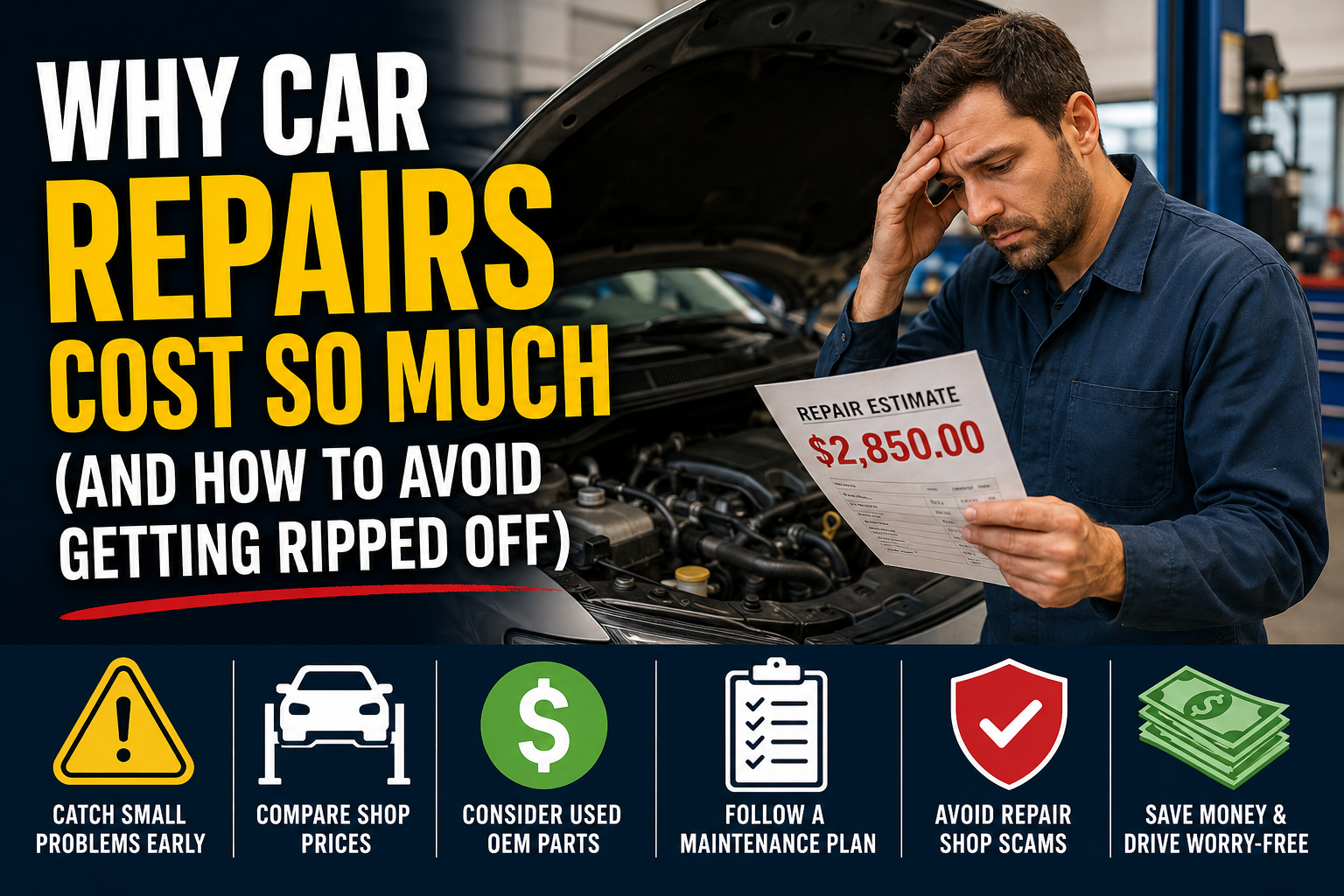
Why Car Repairs Cost So Much (And How to Avoid Getting Ripped Off)
Audi A6 Common Problems: Repair Costs and Solutions in Atlanta, GA