Insurance Auto Auctions: A Great Way to Get a Deal — Or a Costly Mistake?
Buying a vehicle through insurance auto auctions can seem like a dream come true. Platforms like Copart and IAA regularly list vehicles at prices far below traditional dealerships and private-party sales. For bargain hunters, mechanics, rebuilders, and entrepreneurs, these auctions can offer tremendous opportunities. However, there are also significant hidden costs and risks that many first-time buyers overlook.
Why People Buy From Insurance Auctions
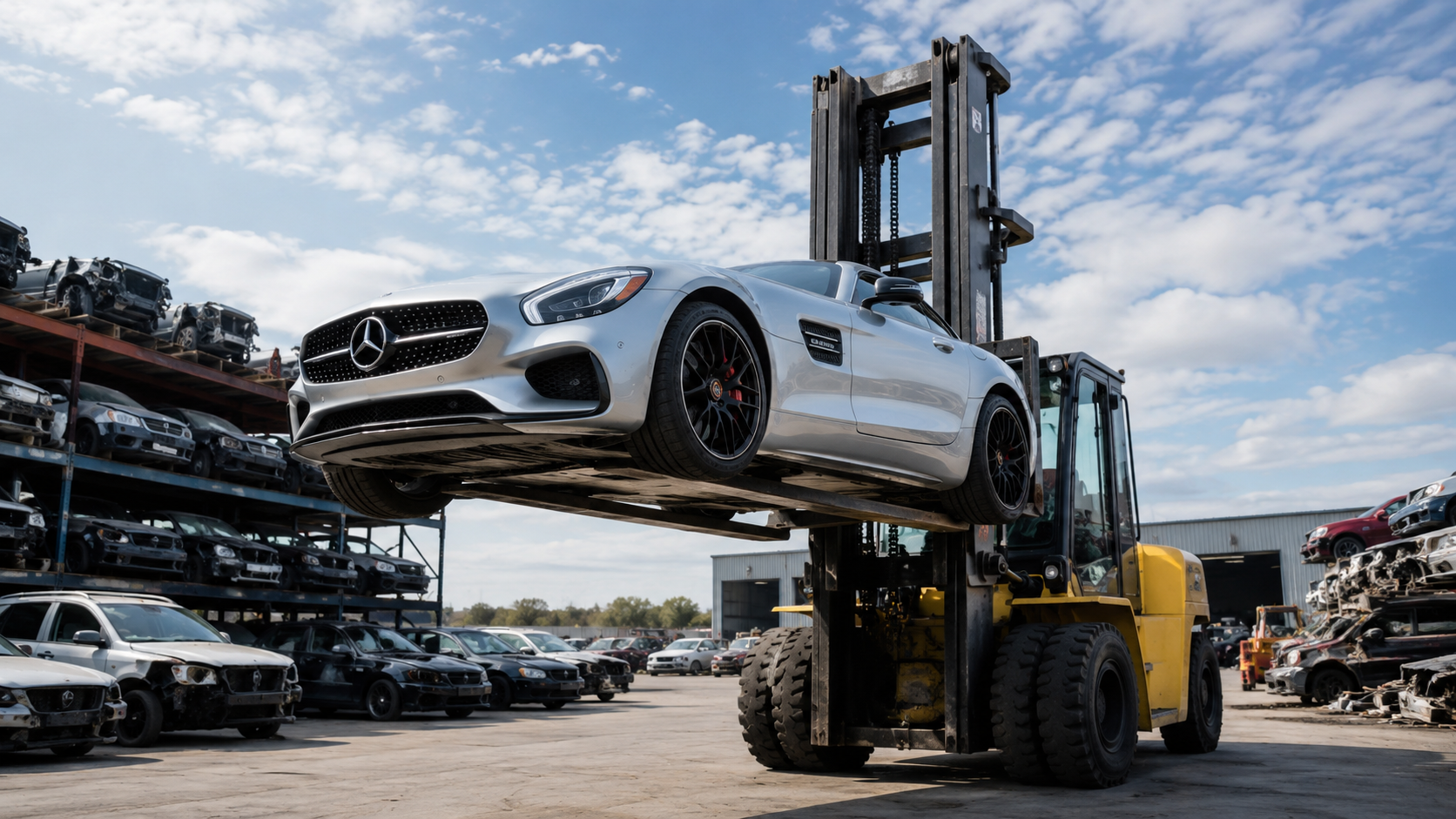
Insurance auctions exist because insurance companies need to dispose of vehicles after claims are paid. These vehicles may have been involved in accidents, floods, theft recoveries, hail damage, or other incidents.
The biggest attraction is price. It's not uncommon to find vehicles selling for 30% to 70% below retail market value. Some buyers purchase repairable vehicles, fix them, and either drive them personally or resell them for a profit.
For experienced buyers who understand vehicle repairs and salvage titles, insurance auctions can be a valuable source of inventory.
The Hidden Costs
What many new buyers fail to realize is that the winning bid is rarely the final price.
Auction fees can add hundreds or even thousands of dollars to the purchase. Buyer premiums, gate fees, internet bidding fees, title processing charges, and documentation fees can quickly increase the total cost.
Transportation is another major expense. Many auction vehicles cannot legally or safely be driven from the facility. Towing or shipping costs can range from a few hundred dollars to several thousand dollars depending on distance.
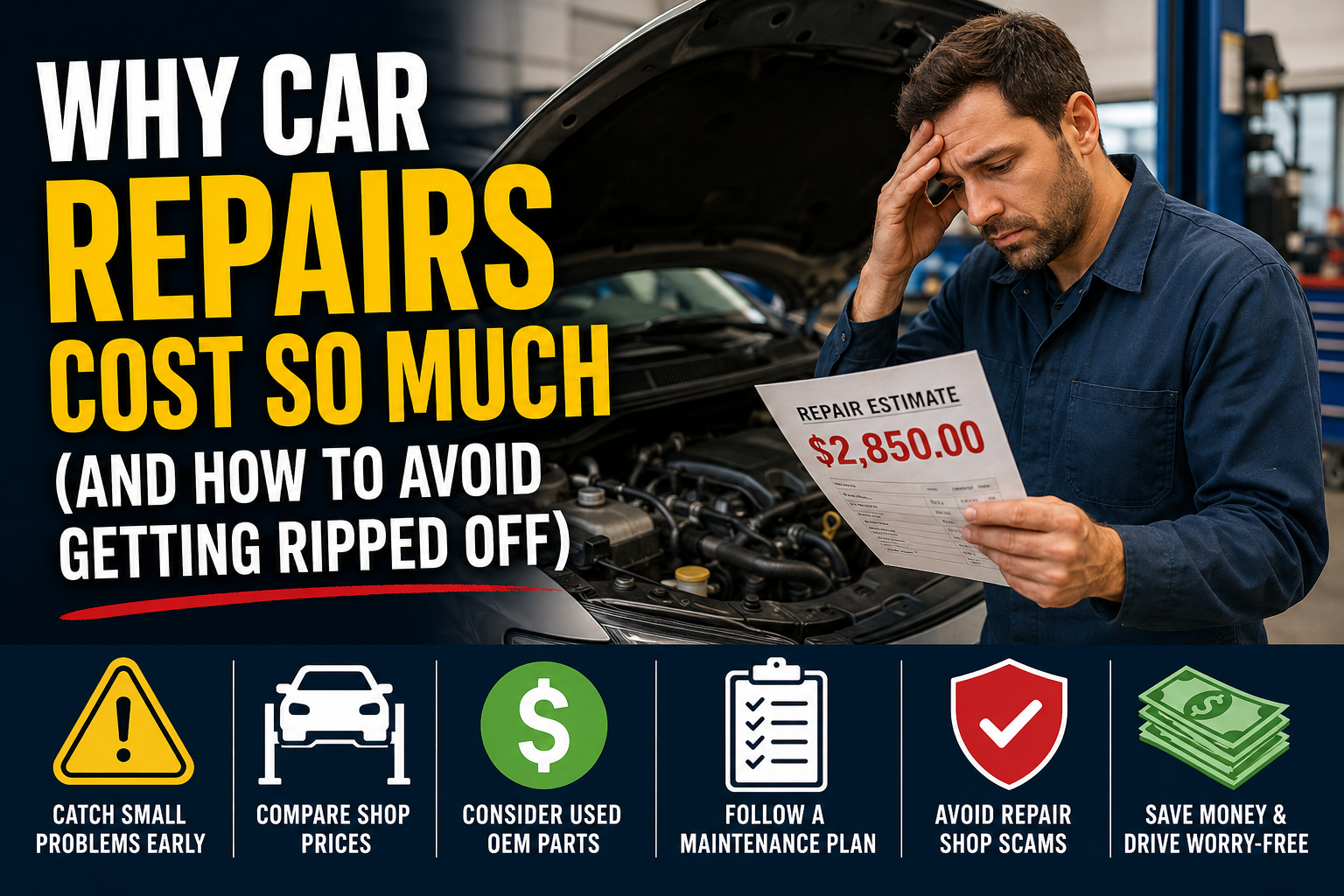
Repair costs are often underestimated. Vehicle photos rarely tell the entire story. Hidden frame damage, electrical issues, suspension problems, airbag deployment, or flood-related corrosion can dramatically increase repair expenses.
The Danger of Limited Inspections
Unlike purchasing from a dealership, auction vehicles are generally sold "as-is."
Many vehicles cannot be test-driven. Buyers often rely solely on photographs, condition reports, and vehicle history records. Even experienced mechanics can miss serious issues without a complete inspection.
Flood vehicles are especially risky. While they may appear clean cosmetically, water damage can create long-term electrical failures that are difficult and expensive to diagnose.
Salvage Titles Matter
Many auction vehicles carry salvage titles. A salvage title can significantly reduce future resale value and may complicate financing and insurance coverage.
Some states also require additional inspections before a rebuilt vehicle can be legally registered and driven.
Before bidding, buyers should understand their state's salvage and rebuilt title requirements.
Is It Worth It?
Insurance auto auctions can absolutely provide outstanding deals. Many professional rebuilders and automotive businesses make substantial profits using auction inventory.
However, success requires careful research, realistic budgeting, and a clear understanding of the risks involved.
For first-time buyers, the smartest approach is to calculate all fees, transportation expenses, repair costs, registration requirements, and potential resale value before placing a bid.
The cheapest vehicle at auction isn't always the best deal. Sometimes the hidden costs turn what appears to be a bargain into a financial headache.
When approached with knowledge and caution, insurance auto auctions can be a powerful tool for saving money. When approached blindly, they can become a very expensive lesson.