Why Is My Car Overheating? Common Causes and Fixes
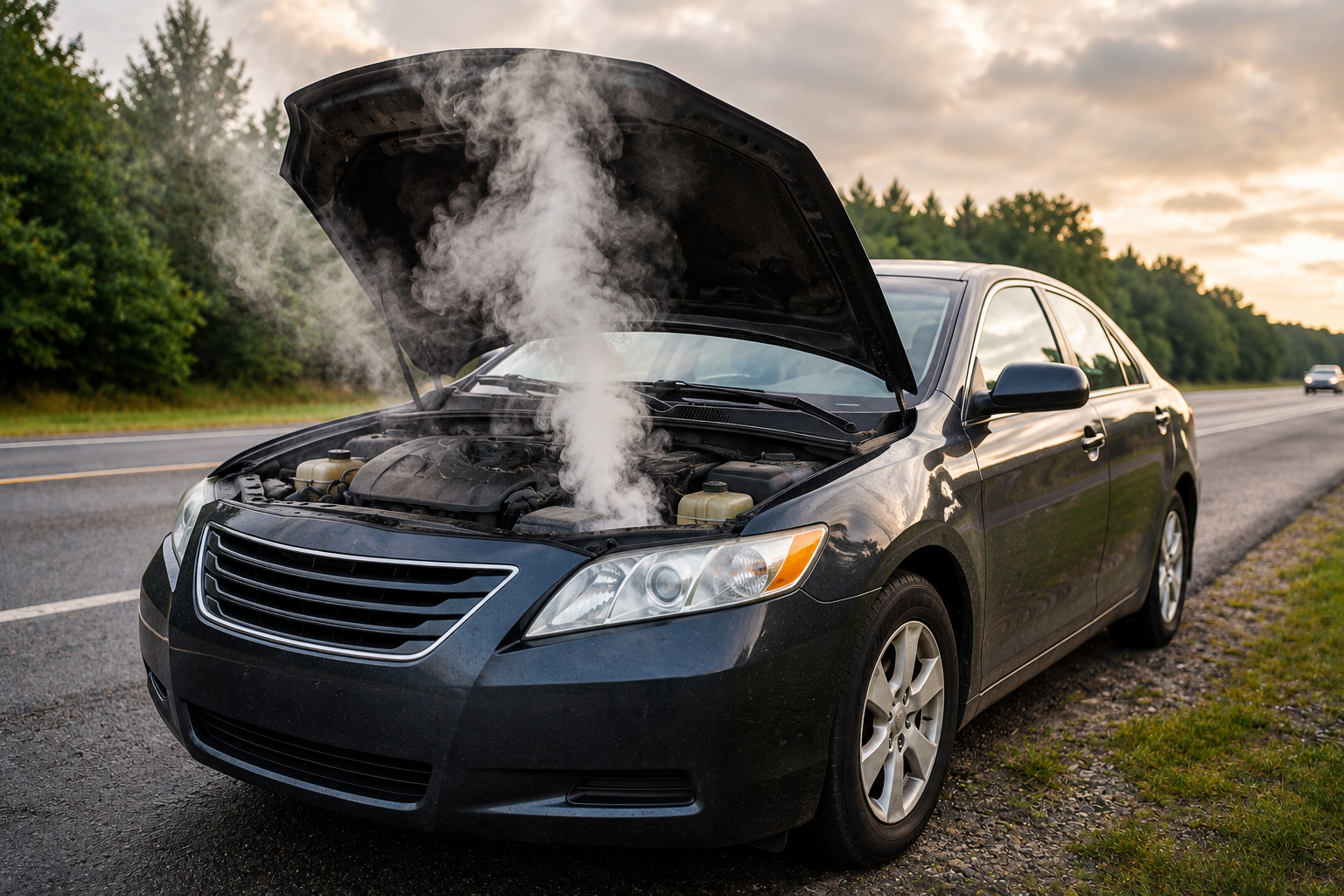
An overheating engine can quickly turn into a costly repair. Discover the most common causes of vehicle overheating and what you should do when your temperature gauge starts climbing.
Why Is My Car Overheating? Common Causes and Fixes
An overheating engine is one of the most serious warning signs your vehicle can give you. Ignore it for too long, and a simple repair can quickly become a blown head gasket, warped cylinder heads, or even complete engine failure.
Fortunately, most overheating issues provide warning signs before major damage occurs.
Understanding what causes an engine to overheat can save you thousands of dollars and prevent a roadside breakdown.

How Your Cooling System Works
Your engine produces a tremendous amount of heat while running. The cooling system is designed to regulate engine temperature using coolant, a radiator, water pump, thermostat, cooling fans, and hoses.
When one of these components fails, engine temperatures can rise rapidly.
Warning Signs of an Overheating Engine
- Temperature gauge reading higher than normal
- Steam coming from under the hood
- Coolant smell inside or outside the vehicle
- Dashboard temperature warning light
- Loss of engine power
- Visible coolant leaks
- Engine knocking or pinging noises
If you notice any of these symptoms, pull over safely and investigate immediately.
1. Low Coolant Level
The most common cause of overheating is simply low coolant.
Coolant circulates through the engine and radiator, carrying heat away from critical components. If coolant levels drop too low, the system cannot remove enough heat.
Low coolant is often caused by:
- Leaking hoses
- Radiator leaks
- Water pump leaks
- Cracked coolant reservoirs
- Head gasket failure
2. Bad Thermostat
The thermostat controls coolant flow between the engine and radiator.
When a thermostat sticks closed, coolant cannot circulate properly, causing engine temperatures to rise quickly.
Common symptoms include:
- Rapid overheating
- Temperature fluctuations
- No heat from cabin vents
3. Failing Water Pump
The water pump is responsible for circulating coolant throughout the engine.
A failing pump can result in:
- Overheating at highway speeds
- Coolant leaks
- Grinding noises
- Poor coolant circulation
Water pumps eventually wear out and are a common maintenance item on high-mileage vehicles.
4. Radiator Problems
The radiator removes heat from the coolant before it returns to the engine.
Common radiator issues include:
- Internal clogs
- External debris blockage
- Damaged cooling fins
- Leaks
A restricted radiator cannot efficiently dissipate heat, causing temperatures to rise.
5. Cooling Fan Failure
Most modern vehicles rely on electric cooling fans to pull air through the radiator.
If the fan motor, relay, fuse, or temperature sensor fails, the vehicle may overheat while sitting in traffic or idling.
This is especially common during hot summer months.
6. Blown Head Gasket
A blown head gasket is one of the most serious causes of overheating.
Symptoms may include:
- White exhaust smoke
- Coolant loss
- Milky oil
- Engine misfires
- Persistent overheating
Head gasket repairs often cost thousands of dollars, making early diagnosis critical.
Average Repair Costs
| Repair | Typical Cost |
|---|---|
| Coolant Flush | $100 - $250 |
| Thermostat Replacement | $150 - $500 |
| Radiator Replacement | $400 - $1,500 |
| Water Pump Replacement | $300 - $1,500 |
| Cooling Fan Repair | $200 - $1,000 |
| Head Gasket Replacement | $1,500 - $5,000+ |
What To Do If Your Car Overheats
- Turn off the air conditioning.
- Turn on the heater to help remove engine heat.
- Pull over safely.
- Shut off the engine if temperatures continue rising.
- Allow the engine to cool completely.
- Never remove the radiator cap while hot.
- Check coolant levels once the engine cools.
How To Prevent Overheating
- Inspect coolant levels monthly.
- Repair leaks immediately.
- Replace coolant according to manufacturer recommendations.
- Monitor temperature gauges regularly.
- Inspect belts and hoses during routine maintenance.
- Address warning lights promptly.
Final Thoughts
An overheating engine should never be ignored. What starts as a minor coolant leak or faulty thermostat can quickly become a multi-thousand-dollar engine repair.
The best defense is routine maintenance and quick action when warning signs appear. Catching cooling system problems early can save both your engine and your wallet.
Looking for affordable repair advice and replacement parts? Explore more money-saving automotive guides at CheapAuto.pro.